Forged fittings are critical components in high-pressure and high-temperature piping systems used across oil & gas, petrochemical, and power generation industries. Their mechanical integrity directly impacts plant safety and operational uptime. For procurement engineers, understanding not only the initial specification but also the long-term maintenance requirements is essential. This guide consolidates key considerations for buying forged fittings, from standards to upkeep, helping you make informed decisions and avoid costly failures.
Key Standards to Confirm When Procuring Forged Fittings
Before ordering, verify that the manufacturer complies with relevant international standards. Common ones include:
- ASME B16.11: Forged fittings – socket-welding and threaded.
- MSS-SP-79: Forged fittings for low-pressure use.
- ASME B1.20.1: Pipe threads (if threaded fittings are specified).
- ASTM A105 / A182 / A350: Material specifications for carbon/alloy/stainless steel fittings.
Always request the latest revision and ensure the fitting’s pressure–temperature rating matches your system design.
Inspection Documents Required
For traceability and quality assurance, the following documents should accompany each shipment:
- Material Test Certificate (MTC) per EN 10204 3.1 or 3.2.
- Dimensional Inspection Report confirming compliance with ASME B16.11.
- Non-Destructive Examination (NDE) reports (e.g., ultrasonic, dye penetrant, magnetic particle) if required by code.
- Heat treatment charts (for fittings requiring normalization or quenching and tempering).
- Visual inspection records of surface finish and marking.
Ask the supplier to provide sample copies during the RFQ stage to verify their documentation quality.
RFQ Checklist for Forged Fittings
Use this checklist to ensure complete and clear requests for quotation:
- Fitting type (elbow, tee, coupling, etc.) and size (NPS).
- Pressure class (e.g., Class 3000, 6000, 9000).
- Material grade (e.g., ASTM A105, A182 F316).
- End type: socket-weld, threaded (NPT), or butt-weld.
- Wall thickness schedule (for butt-weld ends).
- Required certifications (MTC, NDE, PMI).
- Quantity and packaging (wooden cases, pallets, crates).
- Delivery terms (Ex-works, FOB, CIF) and lead time.
- Special requirements (e.g., low-temperature service, sour service NACE MR0175).
Common Quality Risks in Forged Fittings
Procurement without due diligence can lead to these problems:
- Improper heat treatment: Inadequate tempering or quenching can cause brittleness or soft spots.
- Surface defects: Folds, laps, or cracks from poor forging practices are potential stress risers.
- Dimensional deviations: Out-of-tolerance threads or socket depths cause assembly issues and leaks.
- Incorrect material: Substitution of lower-grade steel (e.g., A105 instead of A182 F316) compromises corrosion resistance.
Mitigate these risks by requiring third-party inspection, reviewing manufacturer’s quality system (ISO 9001), and performing random checks upon receipt.
What to Send to Manufacturer Before Quotation
To get accurate pricing and lead times, provide:
- Complete piping specification or P&ID extract showing fitting locations.
- Detailed bill of materials (BOM) with sizes, ratings, and materials.
- Expected service conditions (temperature, pressure, fluid).
- Applicable code and standard revisions.
- Requested delivery date and incoterm.
- Any special test or marking requirements (e.g., hot-stamping on 100% of fittings).
Maintenance Best Practices for Longevity
Once forged fittings are installed, proper maintenance extends their service life. Follow these steps:
- Regular visual inspection: Look for rust, pitting, cracks, or deformation. Use a flashlight and magnifier for tight spaces.
- NDE at scheduled intervals: Ultrasonic or MPI every 5–10 years, or per plant integrity program.
- Cleanliness: Remove dirt and corrosive deposits with water and a soft brush. Avoid aggressive chemicals that could damage the material.
- Corrosion protection: Apply a light coat of anti-rust oil or appropriate paint, especially in humid or offshore environments.
- Environmental control: Store spare fittings in a dry, ventilated area away from direct moisture and chemicals.
- Professional overhaul: For critical services, involve certified technicians to perform detailed inspection, dimensional checks, and pressure testing upon reinstallation.
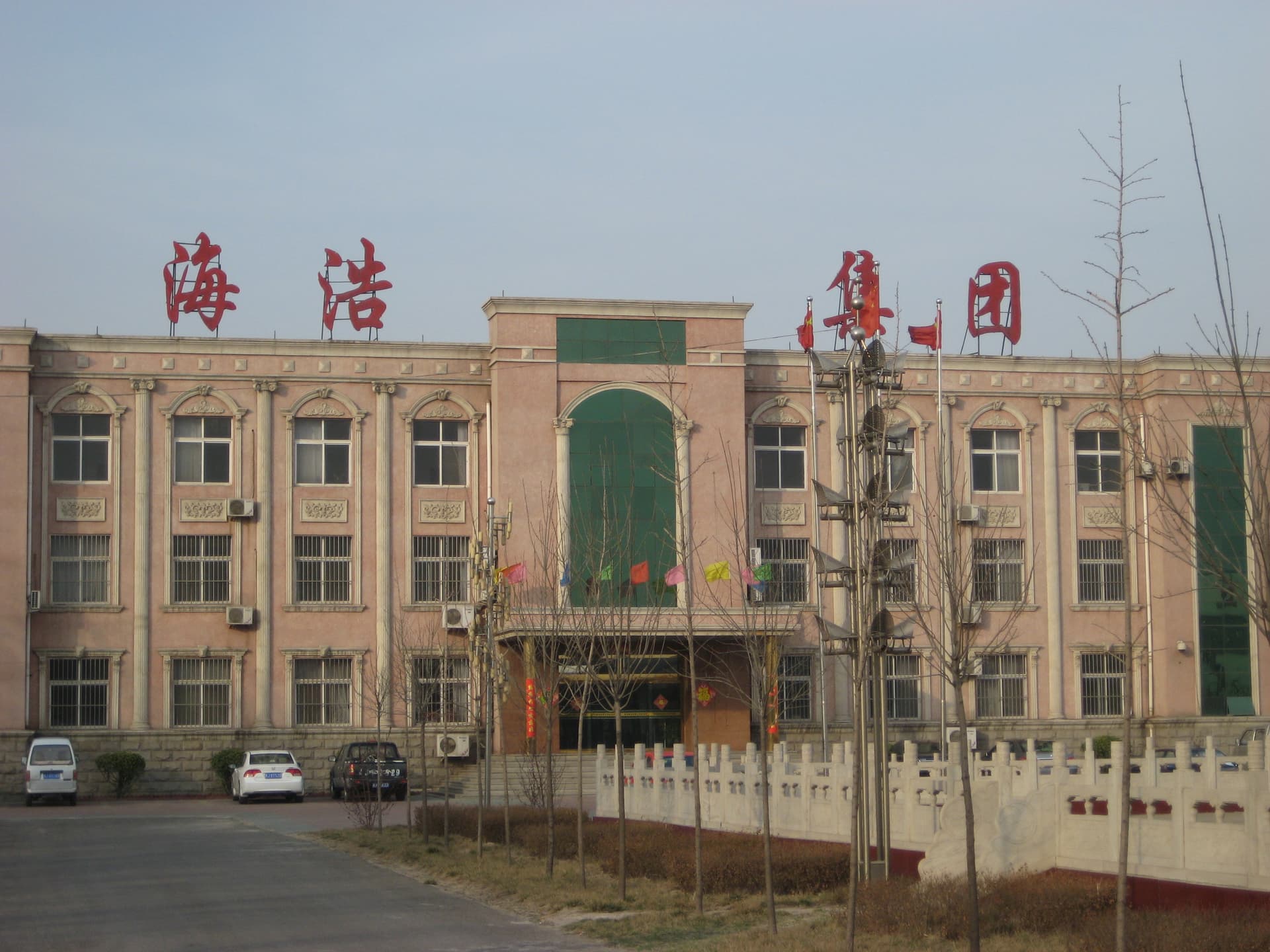
Why Choose Hebei Haihao Group
With decades of experience in manufacturing forged fittings, flanges, and pipe bends, Hebei Haihao Group provides products that meet international standards and rigorous quality controls. Our technical team is ready to support your RFQ with detailed documentation and competitive lead times.
Ready to procure reliable forged fittings? Send your inquiry to Hebei Haihao Group today. Include your specifications and any special requirements for a prompt quotation.
Need a quote for the products mentioned in this article?
Submit your specs and our pressure piping team will respond within one business day.
Send RFQQuote in 4 hours
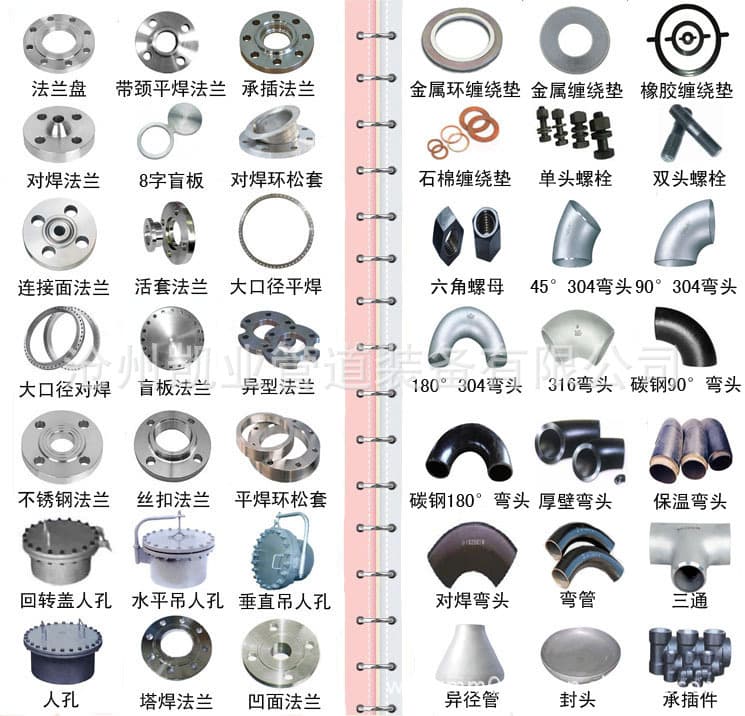
Products covered in this article
Sourcing any of these? Send the spec and our pressure-piping desk replies within 4 business hours.
Related reading
 Buyer guide
Orifice Flange RFQ Checklist: B16.36 Details Buyers Often Miss
ASME B16.36 orifice flanges have unique requirements beyond B16.5. This guide covers scope, procurement checks, inspection points, and common risks to help EPC engineers and buyers specify correctly.
 Buyer guide
Hydrogen Piping Components: What an ASME B31.12 RFQ Must Define
ASME B31.12 governs hydrogen piping and pipelines. This guide explains what EPC engineers and procurement managers must specify in an RFQ for seamless pipes and socket-weld forged fittings, covering code parts, material verification, and inspection requirements.
 Buyer guide
Buttweld Spool Fit-Up: Coordinating ASME B16.9 Fittings and B16.25 Ends
Learn how to coordinate ASME B16.9 fittings with B16.25 bevel ends for reliable buttweld spool fit-up. Includes procurement checks, inspection points, and common risks.