Introduction
Forged pipe fittings are essential components in heavy industry, including power generation, oil & gas, petrochemicals, and shipbuilding. Their high strength and durability make them ideal for high-pressure, high-temperature, and corrosive environments. This guide provides a practical framework for procurement engineers to source forged fittings effectively, ensuring safety, reliability, and cost-efficiency.
Key Standards to Confirm
When procuring forged pipe fittings, verify compliance with international standards:
- ASME B16.11: Forged fittings (socket-weld and threaded)
- ASTM A105 / A105N: Carbon steel for general use
- ASTM A182: Alloy and stainless steel grades (F304, F316, F11, F22, etc.)
- MSS-SP-79, SP-83, SP-95: Additional dimensional and test requirements
For specific heavy industry applications (e.g., nuclear, offshore), also check standards like ASME Section III or NACE MR0175 for sour service.
Material Considerations
Select materials based on operating conditions:
- Carbon steel (A105): General service, moderate temperatures
- Alloy steel (F11, F22): High-temperature service (up to 600°C)
- Stainless steel (304/316, 304L/316L): Corrosive environments
- Duplex/super duplex: High-strength, chloride-resistant applications
Inspection Documents Required
Request the following documentation from suppliers:
- Material Test Reports (MTRs) per EN 10204 3.1 or 3.2
- Heat treatment charts and certificates
- Dimensional inspection reports
- Non-destructive testing (NDT) reports (RT, UT, PT, MT) as applicable
- Hardness test results
- Third-party inspection certificates if required
RFQ Checklist: What to Send Before Quotation
To obtain accurate quotes, provide:
- Product specifications: Type (elbow, tee, coupling, etc.), size (NPS), schedule, end type (socket-weld/threaded)
- Material grade (e.g., ASTM A105)
- Quantity (pieces or sets)
- Applicable standards (ASME, MSS, etc.)
- Special requirements: Coating (galvanized, epoxy), heat treatment, NDT, traceability
- Delivery terms (Incoterms, preferred lead time)
- Certification needs (3.1 certificates, third-party inspection)
Quality Risks to Watch
- Improper heat treatment: Can lead to reduced strength or brittleness
- Inconsistent dimensions: Causes poor fit-up and leakage
- Incorrect material: Substitution of low-grade steel without proper identification
- Surface defects: Cracks, laps, or inclusions from forging process
- Invalid certifications: Ensure MTRs are authentic and traceable to heat numbers
Mitigate through incoming inspection, third-party audits, and supplier qualification.
Manufacturing Process Overview
While you don't need to manufacture, understanding process helps evaluate quality:
- Cutting: Billet or bar cut to size
- Heating: Induction or furnace heating to forging temperature
- Forging: Die forging (open or closed) to achieve shape
- Heat treatment: Normalizing, quenching & tempering as per specifications
- Machining: Threading, beveling, and surface finishing
- Inspection: Dimensional, NDT, and hardness testing
- Marking & packaging: Stenciling with grade, size, heat number, and standard
Application-Specific Tips
- High-pressure steam lines: Use alloy steel fittings with proper PWHT (post-weld heat treatment)
- Cryogenic services: Specify impact-tested materials (e.g., ASTM A350 LF2)
- Offshore: Require NACE MR0175 compliance and enhanced corrosion allowance
Why Partner with Hebei Haihao Group?
Hebei Haihao Group has over 30 years of experience manufacturing forged fittings, flanges, and pipe bends for heavy industry. We offer:
- Full traceability from melt to final product
- Compliance with ASME, ASTM, MSS, and DIN standards
- In-house heat treatment and NDT capabilities
- Competitive lead times for both standard and custom orders
To discuss your project requirements or request a quotation, contact our sales team today.
Need a quote for the products mentioned in this article?
Submit your specs and our pressure piping team will respond within one business day.
Send RFQQuote in 4 hours
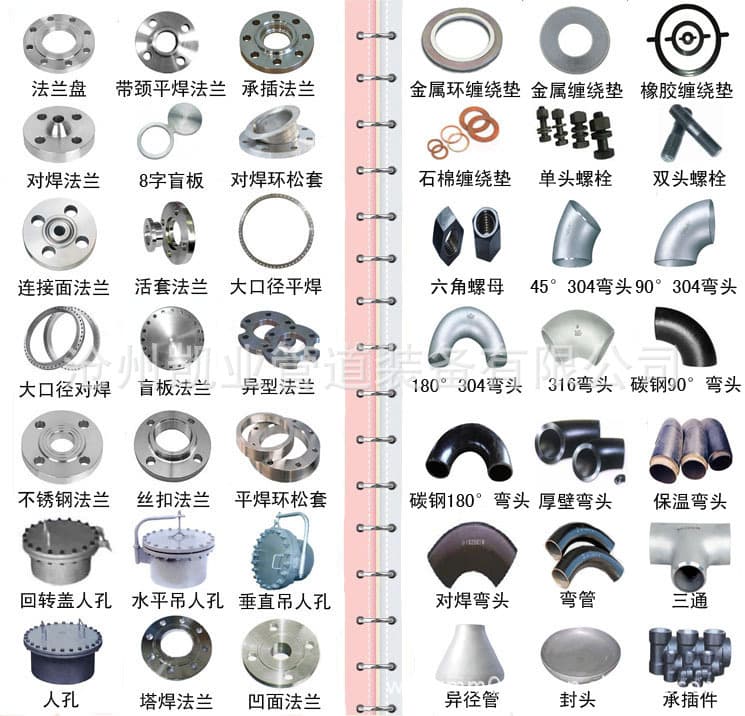
Products covered in this article
Sourcing any of these? Send the spec and our pressure-piping desk replies within 4 business hours.
Related reading
 Buyer guide
Orifice Flange RFQ Checklist: B16.36 Details Buyers Often Miss
ASME B16.36 orifice flanges have unique requirements beyond B16.5. This guide covers scope, procurement checks, inspection points, and common risks to help EPC engineers and buyers specify correctly.
 Buyer guide
Hydrogen Piping Components: What an ASME B31.12 RFQ Must Define
ASME B31.12 governs hydrogen piping and pipelines. This guide explains what EPC engineers and procurement managers must specify in an RFQ for seamless pipes and socket-weld forged fittings, covering code parts, material verification, and inspection requirements.
 Buyer guide
Buttweld Spool Fit-Up: Coordinating ASME B16.9 Fittings and B16.25 Ends
Learn how to coordinate ASME B16.9 fittings with B16.25 bevel ends for reliable buttweld spool fit-up. Includes procurement checks, inspection points, and common risks.