Introduction
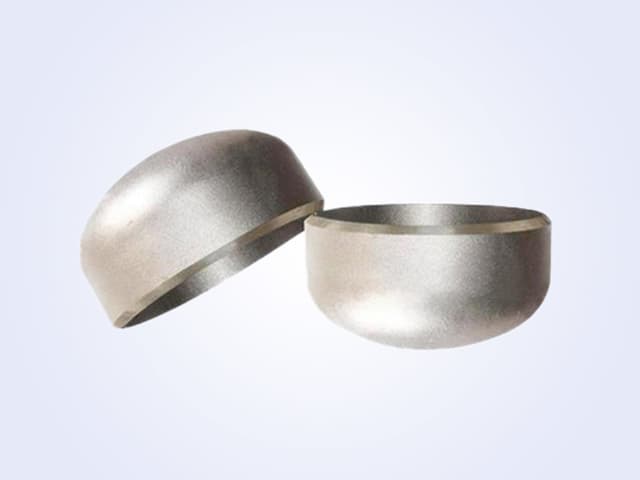
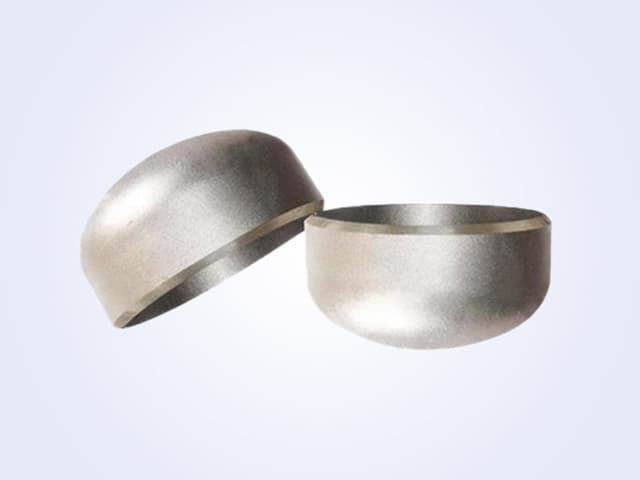
Butt-weld fittings are essential components in high-pressure and high-temperature piping systems used across oil & gas, petrochemical, power generation, and shipbuilding. As a procurement engineer, understanding the manufacturing process and technical requirements is key to ensuring long-term reliability. This guide provides practical insights into what to look for when sourcing butt-weld fittings, from material selection to inspection documentation.
Manufacturing Process Overview
Although suppliers follow similar steps, the level of quality control varies significantly. A typical butt-weld fitting manufacturing sequence includes:
- Material preparation: Raw material (seamless pipe or plate) is inspected for chemical composition and mechanical properties.
- Cutting: Precise cutting to length with smooth edges to avoid weld defects.
- Forming: Hot or cold forming to achieve the required shape (elbow, tee, reducer, etc.).
- Heat treatment: Stress relieving or normalizing to restore mechanical properties after forming.
- Machining: Beveling ends and facing to standard dimensions.
- Surface treatment: Shot blasting, pickling, or coating as per specification.
- Inspection: Non-destructive testing (NDT) such as radiography, ultrasonic, or magnetic particle inspection.
Critical Technical Specifications to Confirm
When requesting a quotation, ensure the following parameters are clearly defined:
Material & Grade
- Carbon steel: ASTM A234 WPB, WPC, etc.
- Stainless steel: ASTM A403 WP304/L, WP316/L, etc.
- Alloy steel: ASTM A234 WP1, WP5, WP9, etc.
Dimensional Standards
- ASME B16.9: Factory-made wrought butt-weld fittings.
- ASME B16.28: Short-radius elbows and returns.
- MSS SP-43: Wrought stainless steel fittings.
Wall Thickness & Schedule
- Must match the pipe schedule (e.g., Sch40, Sch80).
- Consider minimum wall thickness after forming.
End Preparation
- Bevel angle and root face per ASME B16.25.
Tolerances
- Diameter, wall thickness, and center-to-end dimensions per applicable standard.
Quality Risks and Inspection Checklist
Common defects that lead to premature failure:
- Laminations or inclusions in raw material.
- Improper heat treatment causing hardness variations.
- Weld defects in seam-welded fittings.
- Dimensional non-conformity leading to installation problems.
Always request the following inspection documents:
| Document | Purpose |
|---|---|
| Material Test Certificate (MTC) per EN 10204 3.1 or 3.2 | Chemical & mechanical properties |
| Heat treatment charts | Confirm proper thermal cycle |
| NDT reports (RT, UT, PT, MT) | Detect internal or surface defects |
| Dimensional inspection report | Verify compliance with standard tolerances |
| Third-party inspection certificate (if required) | Independent verification |
RFQ Checklist for Butt-Weld Fittings
To avoid costly delays, include the following in your request for quotation:
- [ ] Quantity, size, and schedule.
- [ ] Material specification (ASTM/ASME grade).
- [ ] Fitting type (90° long-radius elbow, concentric reducer, equal tee, etc.).
- [ ] Applicable standard (ASME B16.9, B16.28, MSS SP-43, etc.).
- [ ] End preparation (bevel type).
- [ ] Surface treatment (pickled, painted, galvanized).
- [ ] Marking requirements (per ASTM or project specification).
- [ ] Certification requirements (MTC, NDT reports, third-party inspection).
- [ ] Delivery terms and lead time.
Why Choose Hebei Haihao Group for Your Next Project?
At Hebei Haihao Group, we manufacture butt-weld fittings to international standards with full traceability. Our quality control system includes in-house NDT and third-party inspection support. Whether you need carbon steel, stainless steel, or alloy fittings for critical service, we can match your specifications. Contact us today with your RFQ – include the checklist above for a fast and accurate quotation.
Need a quote for the products mentioned in this article?
Submit your specs and our pressure piping team will respond within one business day.
Send RFQQuote in 4 hours
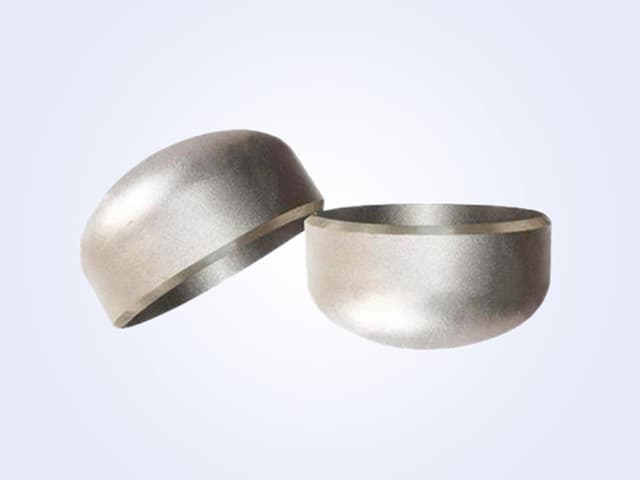
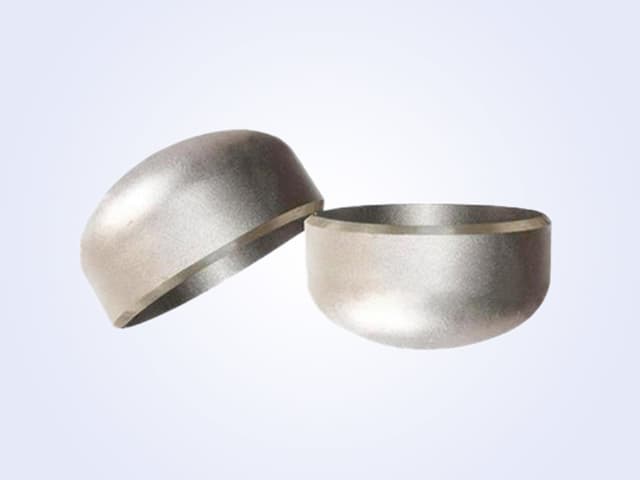
Products covered in this article
Sourcing any of these? Send the spec and our pressure-piping desk replies within 4 business hours.
Related reading
 Buyer guide
Orifice Flange RFQ Checklist: B16.36 Details Buyers Often Miss
ASME B16.36 orifice flanges have unique requirements beyond B16.5. This guide covers scope, procurement checks, inspection points, and common risks to help EPC engineers and buyers specify correctly.
 Buyer guide
Hydrogen Piping Components: What an ASME B31.12 RFQ Must Define
ASME B31.12 governs hydrogen piping and pipelines. This guide explains what EPC engineers and procurement managers must specify in an RFQ for seamless pipes and socket-weld forged fittings, covering code parts, material verification, and inspection requirements.
 Buyer guide
Buttweld Spool Fit-Up: Coordinating ASME B16.9 Fittings and B16.25 Ends
Learn how to coordinate ASME B16.9 fittings with B16.25 bevel ends for reliable buttweld spool fit-up. Includes procurement checks, inspection points, and common risks.