Introduction
Forged pipe fittings play a critical role in building construction, from water supply and drainage systems to structural supports in high-rise buildings. Their enhanced strength, corrosion resistance, and dimensional accuracy make them a preferred choice for demanding applications. However, sourcing these components requires careful attention to standards, material grades, and quality assurance. This guide provides a practical framework for procurement engineers and industrial buyers to evaluate and purchase forged pipe fittings for building projects.
What Are Forged Pipe Fittings?
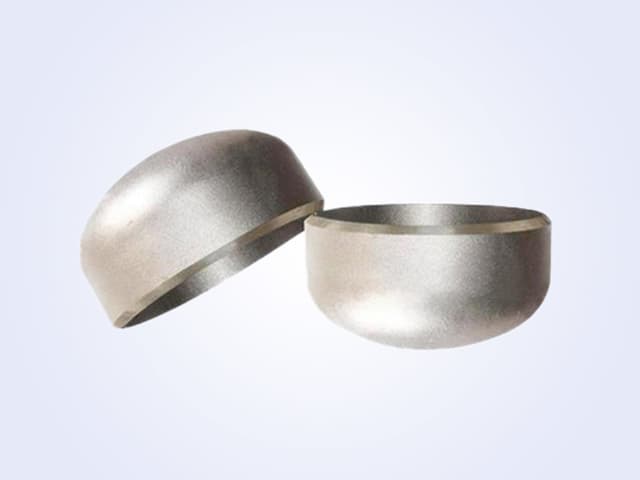
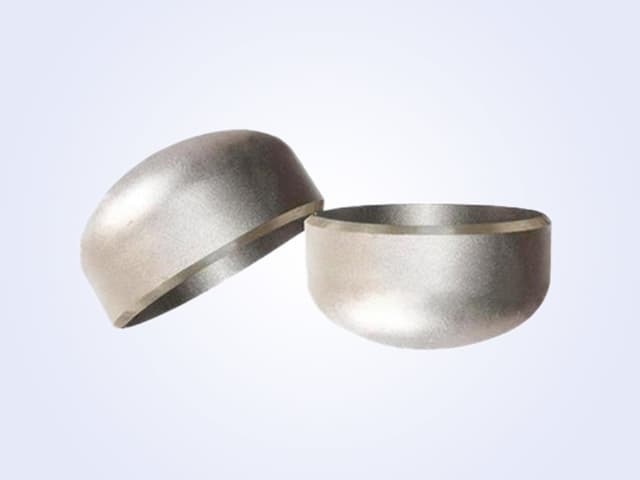
Forged pipe fittings are manufactured through a forging process that shapes metal under high pressure, improving the grain structure and mechanical properties. Common materials include carbon steel, stainless steel, and alloy steel. In buildings, they are used in pressure piping systems (water, gas, heating) and as load-bearing connectors in stairways, railings, and balconies.
Key Standards to Confirm
When procuring forged pipe fittings, verify compliance with the following international standards:
- ASME B16.11 – Forged fittings (socket-weld and threaded) for pressure piping
- MSS SP-79, SP-83, SP-95 – Supplementary standards for forged fittings
- ASTM A105/A105N – Standard specification for carbon steel forgings for piping applications
- ASTM A182 – Forged or rolled alloy and stainless steel pipe flanges, fittings, and valves
- ISO 898 – Mechanical properties for threaded fasteners if applicable
Ensure the supplier can provide material certificates (EN 10204 3.1 or 3.2) and test reports.
Critical Quality Risks
- Improper heat treatment – Forged parts require controlled cooling to achieve desired hardness and toughness. Lack of proper heat treatment can lead to cracking or premature failure.
- Incorrect dimensions – ASME B16.11 specifies tolerances; deviations can cause leaks or stress concentrations.
- Surface defects – Laps, cracks, or inclusions can compromise integrity under pressure.
- Material mix-up – Ensure traceability from raw material to finished product.
RFQ Checklist for Forged Pipe Fittings
Prepare the following details when requesting a quotation:
- Fitting type (elbow, tee, coupling, cap, union) and end type (socket weld, threaded)
- Size (nominal pipe size, schedule)
- Material grade (e.g., ASTM A105, ASTM A182 F316)
- Pressure rating (Class 3000, 6000, or 9000)
- Quantity and packaging requirement
- Required certifications (mill test certificates, NDT reports, dimensional inspection)
- Target delivery timeline
What to Send Before Quotation
Provide a clear inquiry with your technical specifications and any special requirements such as:
- Coating or finish (black, galvanized, or oiled)
- Third-party inspection (e.g., Lloyds, BV, SGS)
- Marking and traceability requirements (standard stamping or additional serial numbers)
Inspection and Documentation
Before shipping, ensure the following documents are available:
- Material test certificates (MTC) with heat number and chemical/mechanical data.
- Dimensional inspection report confirming conformity to ASME B16.11.
- Visual and non-destructive testing reports (if applicable).
- Certificate of compliance from the manufacturer.
Installation and Maintenance Considerations
While not the buyer’s direct responsibility, specifying forged fittings with proper coating or protection can simplify installation and reduce future maintenance. Forged fittings generally require less frequent inspection than cast alternatives, but regular checks for corrosion and mechanical damage in aggressive environments are recommended.
Future Trends
Sustainability is increasingly important. Forged fittings are fully recyclable, and manufacturers are adopting energy-efficient forging processes. When sourcing, consider asking about environmental certifications or recycled content.
Request a Quote from Hebei Haihao Group
At Hebei Haihao Group, we manufacture high-quality forged pipe fittings for building construction, complying with ASME, ASTM, and MSS standards. Our products are available in carbon steel, stainless steel, and alloy steel. To request a quotation, please contact our sales team with your specifications, quantities, and required certifications.
Need a quote for the products mentioned in this article?
Submit your specs and our pressure piping team will respond within one business day.
Send RFQQuote in 4 hours
Products covered in this article
Sourcing any of these? Send the spec and our pressure-piping desk replies within 4 business hours.
Related reading
 Buyer guide
Orifice Flange RFQ Checklist: B16.36 Details Buyers Often Miss
ASME B16.36 orifice flanges have unique requirements beyond B16.5. This guide covers scope, procurement checks, inspection points, and common risks to help EPC engineers and buyers specify correctly.
 Buyer guide
Hydrogen Piping Components: What an ASME B31.12 RFQ Must Define
ASME B31.12 governs hydrogen piping and pipelines. This guide explains what EPC engineers and procurement managers must specify in an RFQ for seamless pipes and socket-weld forged fittings, covering code parts, material verification, and inspection requirements.
 Buyer guide
Buttweld Spool Fit-Up: Coordinating ASME B16.9 Fittings and B16.25 Ends
Learn how to coordinate ASME B16.9 fittings with B16.25 bevel ends for reliable buttweld spool fit-up. Includes procurement checks, inspection points, and common risks.