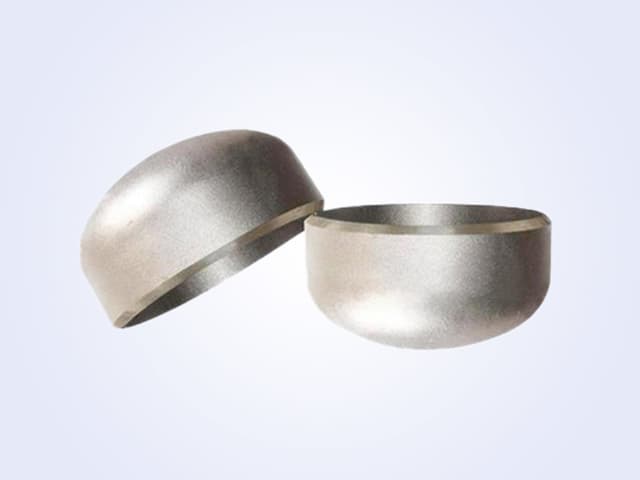
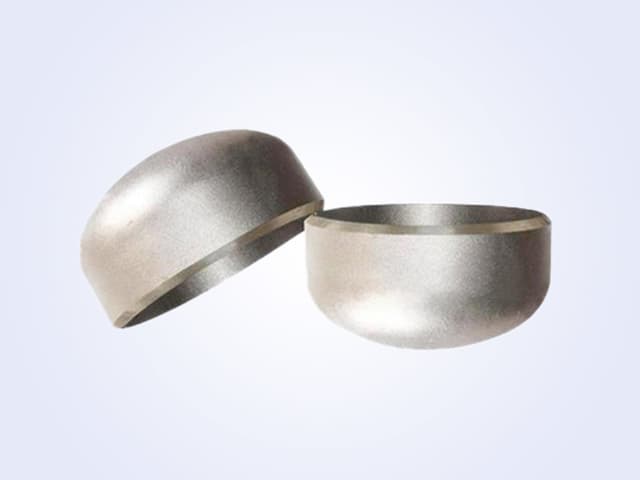
Figure 8 blind flanges (also known as spectacle blinds) are essential components in piping systems for isolating sections of a pipeline. They consist of a solid disc (blank) and a spacer ring (open) connected by a central web, resembling the figure 8 shape. This design allows quick switching between isolation and flow positions without removing the flange. For global EPC projects, proper procurement of these components is critical to avoid leaks, pressure failures, or non-compliance.
Production Process Overview
Understanding the manufacturing steps helps buyers evaluate supplier capabilities.
Material Selection
Materials must match the service conditions – pressure, temperature, and corrosiveness. Common grades include:
- Carbon steel: ASTM A105, A350 LF2 (low temperature)
- Stainless steel: ASTM A182 F304/F316
- Alloy steel: ASTM A182 F11/F22
Buyers should request material certificates (MTCs) and verify traceability to mill test reports.
Forming
Blanks are cut from plate or forged bar, then machined to final dimensions. CNC machining ensures accurate facing, bolt holes, and web thickness. For high-pressure designs (e.g., Class 900+), forging is preferred over plate cutting for better grain flow and strength.
Surface Treatment
Standard finishes include:
- Oiling or galvanizing for carbon steel (rust prevention)
- Pickling and passivation for stainless steel (corrosion resistance)
- Coating as per customer spec (e.g., epoxy, PTFE)
Testing and Inspection
Critical tests to request:
- Hydrostatic test (pressure rating)
- Dimensional inspection (per ASME B16.48)
- Non-destructive testing (UT, MT, or PT) for forged components
- Hardness test if required by material spec
Applicable Standards
| Standard | Scope |
|---|---|
| ASME B16.48 | Steel line blanks (figure 8, paddle, spacer) – dimensions, tolerances, facing |
| ASME B16.5 | Flange dimensions and pressure-temperature ratings (for matching flanges) |
| API 590 | Steel line blanks for refinery service |
| ISO 5752 | Face-to-face dimensions for valves (applicable for blanks in some cases) |
Confirm with your supplier which standard they follow. ASME B16.48 is the most common for figure 8 blinds.
Key Procurement Considerations
Dimensions and Ratings
- Nominal pipe size (NPS) and pressure class (150, 300, 600, 900, 1500, 2500)
- Facing type: raised face (RF), flat face (FF), ring joint (RTJ)
- Web thickness: must be sufficient for handling and pressure
Material and Traceability
Always require:
- Material test reports (MTRs) from the mill
- Positive material identification (PMI) reports if alloy content is critical
- Certificate of compliance to ASTM/ASME specs
Quality Risks to Watch
- Web cracking during forming (poor forging practice)
- Dimensional mismatch with mating flanges (bolt hole alignment, OD, thickness)
- Incomplete heat treatment (for alloy steels)
- Surface defects (lamination, pitting)
RFQ Checklist
Before requesting a quotation, provide:
- Quantity and size (NPS and class)
- Material grade and standard (e.g., ASTM A105, ASME B16.48)
- Facing type and finish (125-250 microinch RF, etc.)
- Required tests: hydrostatic, NDE, PMI
- Delivery schedule and packaging requirements (e.g., wooden crates for export)
- Third-party inspection (e.g., by SGS, BV, or client representative)
Why Hebei Haihao Group?
Hebei Haihao Group has extensive experience manufacturing figure 8 blind flanges in carbon, stainless, and alloy steels. We follow ASME B16.48 and other international standards, providing full traceability from material to final inspection. Our quality control includes dimensional checks, material certification, and pressure testing as standard. Contact us with your project specifications for a competitive quotation and reliable delivery.
Need a quote for the products mentioned in this article?
Submit your specs and our pressure piping team will respond within one business day.
Send RFQQuote in 4 hours
Products covered in this article
Sourcing any of these? Send the spec and our pressure-piping desk replies within 4 business hours.
Related reading
 Buyer guide
Orifice Flange RFQ Checklist: B16.36 Details Buyers Often Miss
ASME B16.36 orifice flanges have unique requirements beyond B16.5. This guide covers scope, procurement checks, inspection points, and common risks to help EPC engineers and buyers specify correctly.
 Buyer guide
Hydrogen Piping Components: What an ASME B31.12 RFQ Must Define
ASME B31.12 governs hydrogen piping and pipelines. This guide explains what EPC engineers and procurement managers must specify in an RFQ for seamless pipes and socket-weld forged fittings, covering code parts, material verification, and inspection requirements.
 Buyer guide
Buttweld Spool Fit-Up: Coordinating ASME B16.9 Fittings and B16.25 Ends
Learn how to coordinate ASME B16.9 fittings with B16.25 bevel ends for reliable buttweld spool fit-up. Includes procurement checks, inspection points, and common risks.